Post
9 Incredible Ergonomic Computer Chair Designs for Ultimate Daily Comfort
Jun
Introduction to Modern Workplace Ergonomics
In today’s fast-paced corporate world, professionals spend upwards of eight hours a day sitting at their desks. This sedentary lifestyle has led to a massive surge in chronic musculoskeletal disorders, making the search for the premium office seating more critical than ever before. Choosing the right premium office seating is not just about luxury; it is a fundamental requirement for maintaining long-term physical health and mental focus. link . site
When you sit on a poorly designed seat, your spine experiences immense pressure, particularly in the lumbar region. This is why investing in the ergonomic computer chair can completely revolutionize your working day. By providing tailored structural alignment, the ergonomic computer chair mitigates stress on vital muscle groups, allowing you to remain highly focused and energized throughout your heavy daily schedules.
The Direct Link Between Seating and Professional Productivity
Many corporate managers overlook the profound impact that physical comfort has on operational efficiency. Employees who struggle with constant neck strain or lower back stiffness cannot perform at their peak. Deploying the ergonomic computer chair across your workspace can instantly resolve these hidden bottlenecks. A high-quality ergonomic computer chair ensures that blood circulation remains optimal, preventing the physical fatigue that usually sets in during mid-afternoon hours.
Furthermore, psychological studies indicate that physical discomfort directly triggers stress hormones, which impairs decision-making and creative thinking. By switching to the ergonomic computer chair, you create an environment where your mind can thrive without being constantly distracted by bodily aches. Ultimately, the ergonomic computer chair serves as an investment in your career longevity and personal well-being.
Key Anatomical Features of the Ultimate Seating Design
1. Advanced Dynamic Lumbar Support
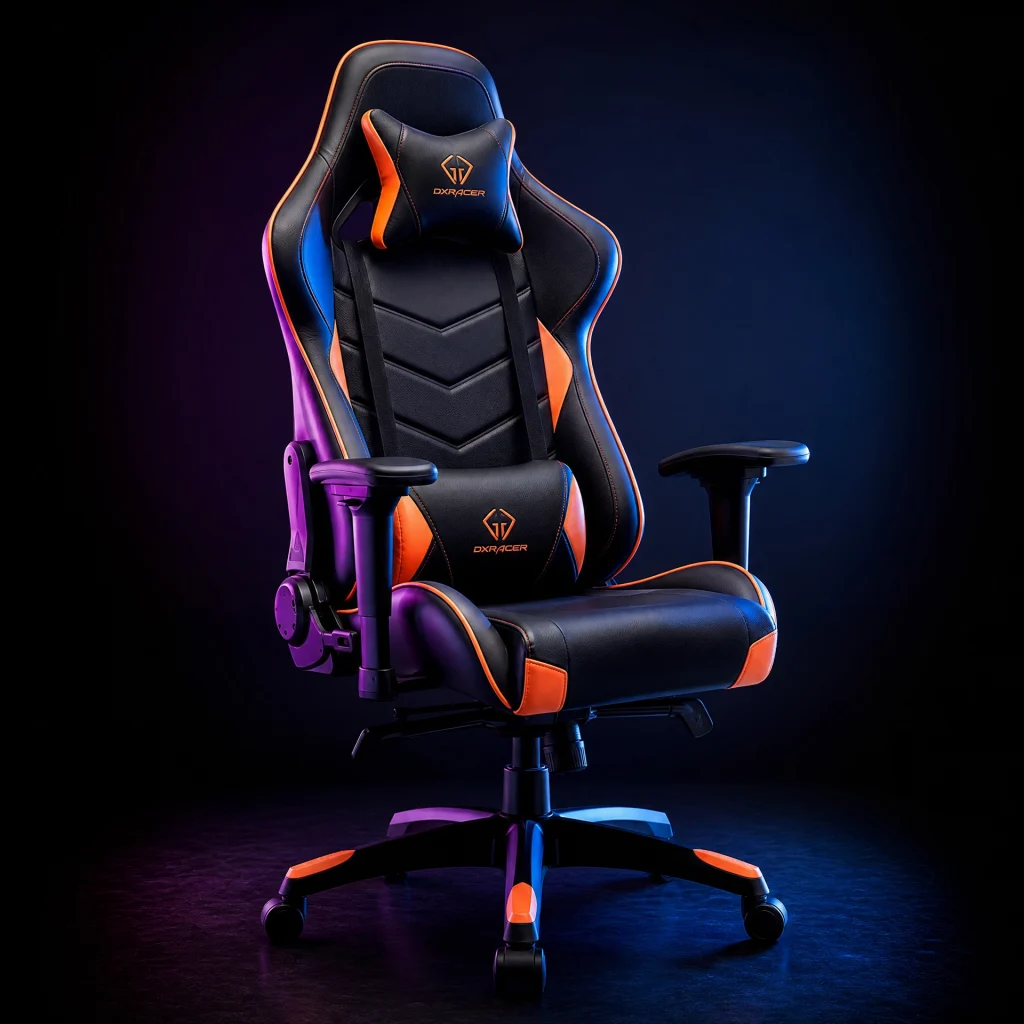
The most defining characteristic of the ergonomic computer chair is its ability to support the natural inward curve of your lower spine. Without proper lumbar reinforcement, the spine naturally slumps forward, flattening the natural curve and causing severe disc compression. The ergonomic computer chair responds dynamically to your micro-movements, ensuring continuous, customized stabilization for your lower back.
2. Fully Adjustable Multi-Dimensional Armrests
Another crucial element of the ergonomic computer chair is the presence of 3D or 4D armrests. Your shoulders shouldn’t bear the weight of your arms while typing; instead, the armrests of your ergonomic computer chair should hold your elbows at a perfect 90-degree angle. This simple adjustment removes immense tension from the trapezius muscles and prevents debilitating neck stiffness.
3. Specialized Seat Depth and Synchronous Tilt Mechanisms
A premium ergonomic computer chair always allows users to slide the seat pan forward or backward. This ensures that the back of your knees never presses tightly against the seat edge, which could otherwise restrict blood flow to your lower limbs. Combined with a advanced synchronous tilt, the ergonomic computer chair lets you recline gracefully while keeping your feet securely planted on the ground.
How to Properly Calibrate Your Workspace Seating
Even if you own the ergonomic computer chair, failing to adjust it properly can neutralize its health benefits. Start by adjusting the overall height so your thighs are completely parallel to the floor. Next, calibrate the lumbar pad of your ergonomic computer chair so it sits perfectly in the small of your back. This precise setup transforms the ergonomic computer chair from a standard piece of furniture into a personalized orthopedic health system.
Make sure to review these adjustments regularly, especially if multiple people share the same workstation. Keeping your ergonomic computer chair finely tuned to your specific body proportions guarantees that you reap the maximum possible preventative benefits over years of continuous use.
Comprehensive Guide to Premium Seating Materials
The materials utilized in constructing the ergonomic computer chair play a vital role in its overall durability and daily user experience. High-density molded foam is frequently used in the seat cushion of the ergonomic computer chair because it distributes body weight evenly and retains its original shape over years of heavy usage. Cheap foams collapse rapidly, leading to hard pressure points that aggravate sciatic nerve pain.
On the other hand, many modern professionals prefer a mesh backing for their ergonomic computer chair due to its incredible thermal regulation properties. A breathable mesh ergonomic computer chair allows air to circulate freely around your back, keeping you perfectly cool and sweat-free during intense summer months or long, high-stress meetings.
Long-Term Health Benefits and Preventative Care
Chronic back conditions take years to develop, but they can be avoided entirely by integrating the ergonomic computer chair into your daily routine early on. Medical experts agree that early adoption of a certified ergonomic computer chair prevents spinal disc degeneration and costly orthopedic surgeries later in life. Protecting your posture today with the ergonomic computer chair guarantees a pain-free, active future.
In addition to spinal protection, utilizing the ergonomic computer chair helps maintain a healthy digestive system and open breathing pathways. Slouching compresses abdominal organs, whereas the upright posture supported by the ergonomic computer chair encourages full diaphragmatic breathing, maximizing oxygen delivery to your brain.
Understanding the Deep Mechanics of Healthy Sitting Habits
In addition to relying on high-quality equipment, developing a conscious awareness of your bodily posture is one of the most effective strategies for preventing long-term pain. Many people fall into poor habits without even realizing it. Setting up a dedicated workspace is merely the first piece of the puzzle. You must also cultivate the habit of regular movement. Taking short, active breaks every single hour helps to reset your muscular tension and stimulate healthy blood circulation throughout the entire body. These small behavioral changes compound over time, producing spectacular results for your general vitality and energy levels.
The Role of Stretching in a Sedentary Lifestyle
When you sit for prolonged durations, specific muscle groups—especially the hip flexors and hamstrings—tend to shorten and tighten, pulling the pelvis out of alignment. Integrating a quick five-minute stretching routine into your daily schedule can counteract this structural imbalance effortlessly. Simple exercises such as seated spinal twists, gentle neck rolls, and standing quad stretches release built-up lactic acid and restore normal muscle elasticity. You don’t need a gym membership; doing these right next to your desk is more than enough to see a remarkable difference.
Creating the Optimal Visual and Environmental Layout
Comfort extends far beyond what you are sitting on. The environmental factors surrounding your desk significantly influence your physical well-being. Proper ambient lighting is absolutely essential to prevent digital eye strain and chronic headaches. If you constantly squint to read text on your monitor, your body will naturally hunch forward, completely negating the structural support provided by your seating arrangement. Always aim to position your primary light source perpendicularly to your screens to completely eliminate harsh glare.
Additionally, organizing your physical desk space to minimize reaching is a critical ergonomic principle. Keep frequently used items—such as your notepad, pen, or primary mobile device—within a highly comfortable, primary reach zone. This simple organizational strategy prevents awkward twisting motions that often cause sudden, sharp pains in the lower lumbar region. When every element of your office environment works in perfect harmony, the result is a beautifully optimized space that fosters unhindered creativity and stellar professional focus.
Advanced Posture Correction Techniques for the Modern Professional
Correcting years of poor posture does not happen overnight. It requires dedication, patience, and a holistic approach to physical wellness. One exceptional technique is the practice of ‘active sitting.’ This involves consciously engaging your core abdominal muscles while you work, turning an otherwise passive activity into a subtle strengthening exercise. Over several months, this simple habit naturally fortifies the muscle groups responsible for supporting your spine, reducing your overall reliance on external backrests.
Finally, it is highly recommended to stay deeply hydrated throughout the day. The intervertebral discs that act as shock absorbers in your spine are primarily composed of water. Dehydration causes these discs to shrink slightly, which compromises their cushioning ability and leads to friction between the vertebrae. Keeping a large glass of water on your desk not only encourages you to drink more but also provides an excellent excuse to stand up and walk to the kitchen for regular refills, effortlessly blending movement and hydration into your daily routine.
